
What is stone veneer? And is it your best choice of stone.
Learn about the origins of stone veneer, how stone veneer is used, and where you can apply stone veneer on your property today.
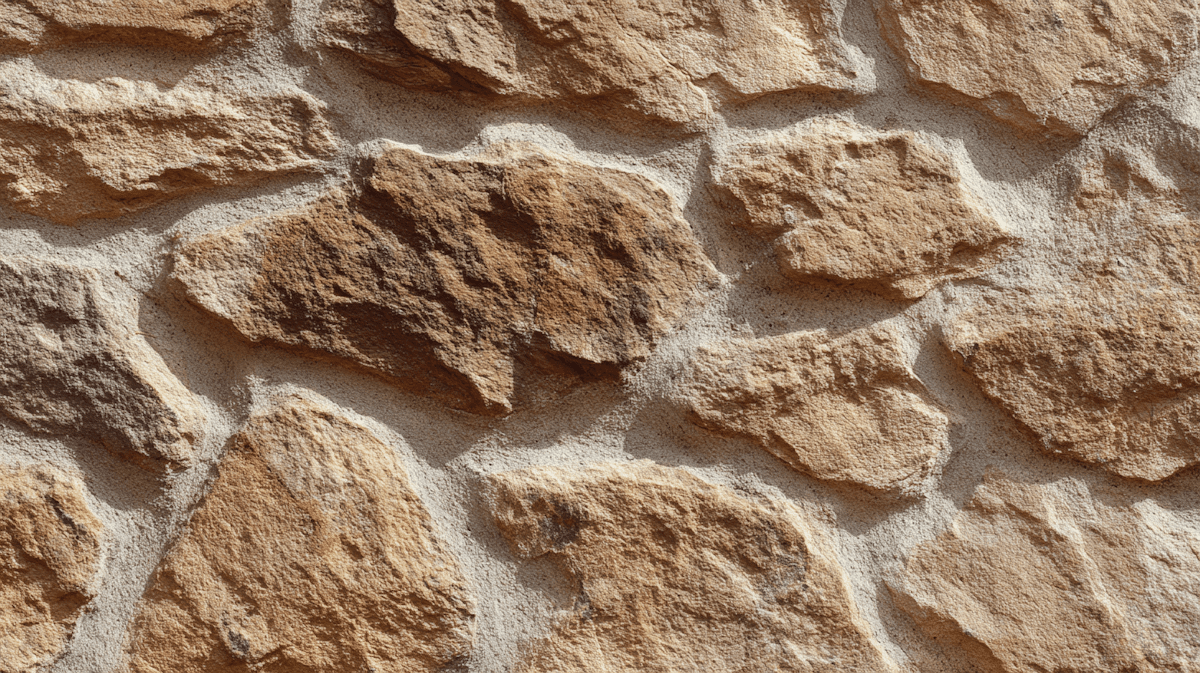
The origins of stone veneers
Stone veneers can be traced back all the way to ancient times, when the Egyptians would use thin-cut limestone (veneers) to protect and preserve their temples and pyramids. Or when the Greeks and Romans would cut marble into thin pieces (veneers), which can actually be seen on some parts of the famous Colosseum in Rome.
During the late 19th century, in the midst of the industrial revolution, stone veneers took on a more significant role within the new innovation of skyscrapers and tall vertical structures.
Since tall vertical structures could not be constructed with regular stone, due to the very thick and mainly heavy characteristics of regular stone, which could cause the structure to collapse under its own weight, architects, desiring to have a stone exterior for these skyscrapers while minimizing weight, found their hope in stone veneers.
By gathering thinly cut stone pieces and attaching them to a load-bearing wall, many buildings during the Industrial Revolution were properly built.
Of these buildings, the Empire State Building in the heart of New York City, built in the early 1930’s, acts as an ultimate representation of the use of stone veneer during the industrial revolution.
The new application for stone veneers ultimately initiated further innovation of these sidings, especially with the narrowing of the thickness as time passed.
With this, Stone veneers began to really pop off, especially in the 1950’s, and never really stopped beyond this decade, leading us into today, with several new types of stone veneers and applications for them.
What are stone veneers
Stone veneers sidings are a decorative material meant to imitate natural stone either within the interior or exterior of structures.
These sidings are known for their very thin and light characteristics, which is a main factor to its low prices (compared to regular stone) and easier installation compared to other forms of material.
Stone veneer is also known for its incredible flexibility, being able to be cut into significantly thin lengths, widths, and, of course, thickness, allowing for these veneers to be installed anywhere from the smallest areas within the interior of a building to the greatest areas on the exterior.
Now, the material of stone veneer can differ, and really depends on how the siding was formed. There are two different ways stone veneers are formed: either from simply being cut from natural stone (authentic) or manufactured by mixing several pigments with cement.
The authentic formation of stone veneer is called natural stone veneer, and the manufactured formation of stone veneer is called manufactured stone veneer (or faux stone veneer).
Natural stone veneer
Natural stone veneer sidings are an authentic type of stone veneer siding that is directly cut, usually from ¾ inches up to 1¼ inches, from natural stone. This means that the natural stone veneer has the natural look, feel, and aesthetic of regular natural stone.
On top of this positive characteristic, natural stone veneer is naturally more durable and weather-resistant compared to the manufactured version.
However, one disadvantage that usually deters is the price, as natural stone is more expensive than manufactured stone veneers (although it is important to note that the price difference could be minimal depending on the supplier)
Manufactured stone veneer
Manufactured stone veneer siding, or faux stone veneer, is an artificial type of stone veneer siding that is a product of a mix of cement, with several pigments and plastics, which is then poured into a mold that forms its shape and size.
Despite its inauthenticity, this type of siding actually has a pretty great look and feel of natural stone, nearly adopting the natural stone aesthetic perfectly.
On top of this, manufactured stone veneer is less expensive than natural stone veneer, which is a result of its artificial material and easier process of production, as well as its easier transportation.
However, one disadvantage of these artificial sidings is that it is less durable than natural stone veneer.
Comparing natural&manufactured stone veneers
Pricing | Durability | Authenticity | |
Natural stone veneer | More | Greater | authentic |
Manufactured stone veneer | less | Least | Artificial (authentic feel) |
Applications for Stone Veneers
Stone veneer sidings, due to their lightweight and easy installation qualities, are much more flexible in where you put them. In addition, stone veneer sidings usually come in a variety and diverse selection of stones and stone types, hence why stone veneers are considered very flexible in placement and in style.
The following sections are a few different popular places where stone veneer is used. These may be used as ideas or for general understanding.
Application for the exterior
Stone veneer can be used as an exterior to homes to give a greater aesthetic, and can actually benefit the building or structure by acting as a weather-resistant barrier, protecting the walls behind it.
Stone veneer sidings are most popularly placed in the following areas: outdoor fireplaces, full exterior walls, outdoor grills or kitchen areas, columns, home facades, and many landscaping features.
Applications for the interior
Stone veneer sidings can be used in the interior for aesthetic purposes – usually for a warmer aesthetic – and are most commonly used in the following areas: accent walls, bathroom walls, islands, kitchen backgrounds, and a variety of other areas.
Why should you choose stone veneer?
When debating whether to choose stone veneers or other materials, it is important to consider the following:
Style, is stone veneer your preferred style and feel? If so, which type of stone veneer fits your style?.
Durability, is stone veneer durable enough to handle your needs? If so, which type of stone veneer is just right for your need of durability?
Maintenance, how will stone veneer affect your time and money in the long term? (generally however, stone veneer requires little maintenance, if any at all, depending on the type)
Lastly, financial budget, does stone veneer fit your budget? If so, which type of stone veneer is more budget-friendly for you?
When considering these questions, be sure to mentally keep track of all your answers and to balance out your answers according to what you need and your preferences.
How we can help you
If you have discussed these questions and feel ready to begin installation, visit (website) for a free estimate, where we can find your proper material and begin installation as fast as possible for a great price.
You may fill out our online form on (website), email us at (email), or text/call us at (phone), where we will respond according to our business hours.
We are always here to serve your needs and fulfill your wishes.
(H6) for more blogs, check out our (website)